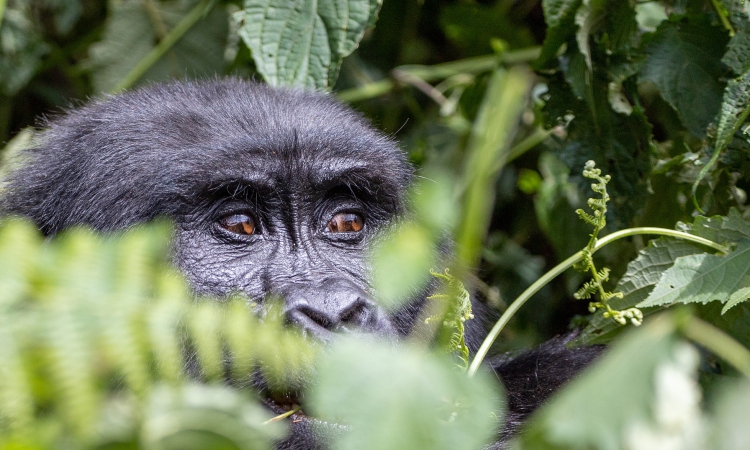
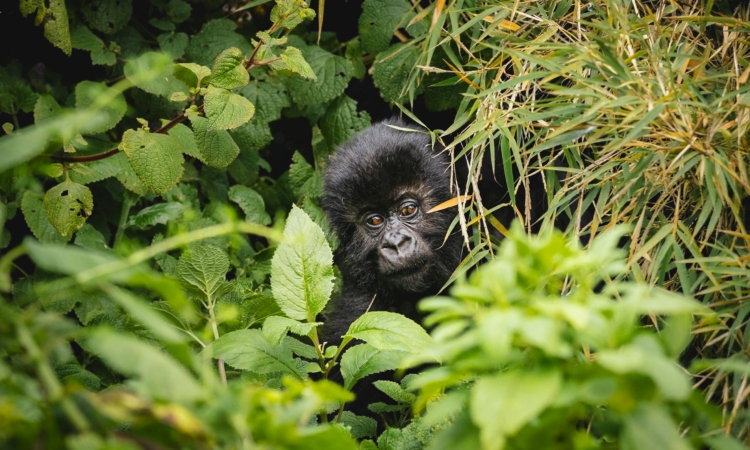
Advantages of Gorilla Tourism in Rwanda – Gorillas are primates closely related to humans, exhibiting traits and emotions that mirror those of mankind.
In Rwanda, gorilla tourism is one of the central tourism activities, attracting thousands of tourists from all over the world to experience trekking with these remarkable animals.
As a key activity in Rwanda, gorilla tourism contributes to the country in the following ways:
- Source of Revenue: Gorilla tourism attracts thousands of tourists, each paying $1,500 for a permit, significantly contributing to Rwanda’s Gross Domestic Product (GDP), thereby facilitating economic growth.
- Facilitates Infrastructural Development: Gorilla tourism stimulates the development of infrastructure, easing transport and communication in gorilla tourism regions, which in turn promotes trade and exchange. Better accommodation facilities, such as Bisate Silverbacks Lodge, Sabyinyo Silverback Lodge, and Virunga Lodge, also provide employment opportunities for the local population who offer services to guests.
- Provides Funding for Gorilla Conservation Organizations: Mountain gorilla conservation requires substantial financial support, which is facilitated through gorilla tourism. Every gorilla tourism safari or habituation experience requires a permit, which funds gorilla research, pharmaceutical supplies, security, ranger guide salaries, park maintenance, and other essential services—ensuring the sustainability of gorilla trekking and conservation efforts.
- Creates Awareness About the Need to Conserve Gorilla Species: The survival of mountain gorillas depends on human awareness of the importance of conserving these once-endangered creatures. Consistent gorilla tourism fosters a sense of connection between humans and gorillas, promoting biodiversity and reinforcing the importance of conservation.
- Supports Neighboring Communities: Gorilla tourism directly and indirectly benefits local communities. Locals are hired to provide skilled and unskilled labor, such as game rangers, porters, and other support roles, improving their social well-being. Additionally, a percentage of the revenue generated from gorilla tourism is allocated to local communities each year to fund programs like water source upkeep, healthcare, road repairs, and more. In return, villagers help protect the mountain gorillas, fostering a mutually beneficial relationship.
- Maintains the Health of Gorillas and Other Animals: Gorilla trekking enables veterinarians and game rangers to easily monitor the health of gorillas and provide treatment when necessary. Regular tracking allows for the identification of sick gorillas, while examination of their habitats and wastes ensures their well-being. Other animals in the same parks are also closely monitored, leading to broader wildlife conservation.
- Reduces Poaching: Gorilla tourism has significantly reduced poaching in areas where gorillas were once hunted for meat, body parts, or the illegal pet trade. The regular presence of tourists and park rangers deters poachers, helping preserve gorilla species and other wildlife for future generations.
- Creates a Sense of Global Brotherhood: Visitors to gorilla parks come from all over the world and often engage with nearby communities, participating in traditional activities such as learning songs and dances, enjoying traditional African dishes, and purchasing local crafts like mats, caps, stools, and musical instruments. These interactions create a strong sense of brotherhood among people of different ethnicities.
- Increases Opportunities for Other Activities: Gorilla tourism allows tourists to participate in additional activities such as nature walks, bird watching, visiting Dian Fossey’s grave, mountain climbing, and more, broadening the tourism experience and making it more diverse.
- Encourages Wildlife Research and Conservation: The promotion of gorilla tourism encourages more research into wildlife and biodiversity conservation, ensuring that both tourism and environmental preservation continue to thrive.
- Promotes Rwanda Globally: Gorilla tourism showcases Rwanda’s natural beauty to the world. Tourists experience the country’s physical features, including its diverse relief, climate, and vegetation. Rwanda’s elegance has earned it the nickname “The Land of a Thousand Hills,” a recognition that comes from the exploration opportunities linked with gorilla tourism.
In conclusion, gorilla trekking is a vital social and economic activity that adds immense value to Rwanda.
Book Now