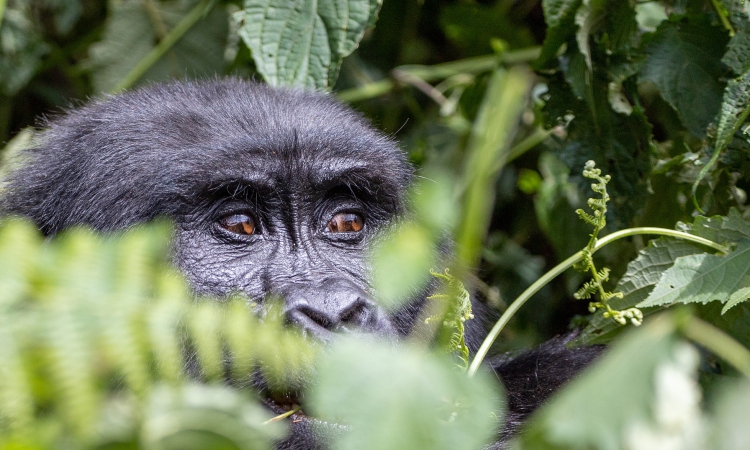
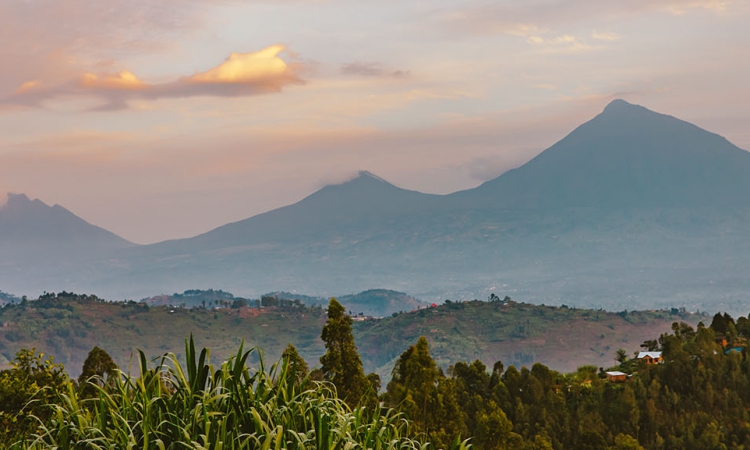
The best time to visit Rwanda for gorilla trekking is during the dry seasons, from June to September and December to February. These are also the best months to visit Rwanda overall, since trails are easier to walk, gorillas are more visible, and hiking conditions are at their best. This guide breaks down the best time to see gorillas in Rwanda by season and by month, so you can plan your trip around the conditions that matter most to you.
Rwanda Weather Overview: Dry Season vs. Rain Season
Rwanda has two dry seasons and two rain seasons each year, and understanding this pattern is the starting point for choosing the best time to travel to Rwanda.
The long dry season runs from June to September, and the short dry season runs from December to February. These two windows are widely considered the best time of year to visit Rwanda for gorilla trekking.
The rain season in Rwanda falls into two periods: a long rainy season from March to May, and a short rainy season in October and November.
Temperatures stay relatively mild year-round due to Rwanda’s altitude, so the dry season and wet season are defined more by rainfall than by heat.
Why the Dry Season Is the Best Time for Gorilla Trekking in Rwanda
The dry season is the most popular time for gorilla trekking, golden monkey tracking, and canopy walks in Rwanda.
Trails are dry and easier to walk during these months, which makes the trek itself less physically demanding, an important factor for anyone asking about the best time to go gorilla trekking in Rwanda.
Since most of Volcanoes National Park sits within a tropical rain forest, bring a rain jacket and waterproof boots regardless of season. Rainfall can happen at any time of year in a tropical zone, even during the driest months.
Hiking is generally easier in the dry season, since trails are firmer and less muddy than during the wet season, when the ground becomes slippery and difficult to move across.
If your priority is a comfortable trek with the best chance of clear photography conditions, the dry season is the better choice, and it is generally regarded as the best time of year to see gorillas in Rwanda for first-time visitors.
Why the Rain Season in Rwanda Still Has Its Advantages
The long rainy season runs from March to May, and the short rainy season falls in October and November. Trekking during these months is more challenging, since heavy, persistent rain makes trails harder to follow and the forest floor wet and slippery.
Despite this, Rwanda’s wet season has real advantages for specific types of travelers.
Visitors hoping to see particular gorilla families in the Virungas may want to plan their trip during the wet season, since gorillas tend to stay on the lower slopes when temperatures are cooler at higher altitudes, which makes them easier to locate. This is one reason some travelers consider the wet season the best time to visit Rwanda gorillas if trail comfort is not their top priority.
Food is more abundant during the wet season as well, so gorillas do not need to travel far to find tender bamboo shoots, stinging nettles, wild celery, and other plants they favor. This often means a shorter, more direct trek once your group sets out.
Most visitors still locate their assigned gorilla family within one to two hours, even during the wet season, though the trail conditions themselves are harder underfoot.
The park is noticeably greener during the rainy months, with new growth covering the reserve.
Birders in particular benefit from visiting during the wet season, since food sources are more plentiful and bird activity increases. On any clear day without rain, there are strong opportunities to spot a wide range of species.
For photographers, a clear day during the wet season can offer some of the richest, greenest backdrops of the year.
Whatever the season, gorilla trekking in Volcanoes National Park offers a strong chance of a close encounter with mountain gorillas.
Book your Volcanoes National Park gorilla trekking tour for the season that best matches your priorities, whether that’s easier trails or better gorilla visibility.
Dry Season vs. Wet Season in Rwanda: Quick Comparison
- Trail conditions: Dry and firm in the dry season; muddy and slippery during the rain season in Rwanda.
- Gorilla visibility: Gorillas range more widely in the dry season; they stay lower and are often easier to find in the wet season.
- Crowds and permit demand: Higher during the dry season, since it is peak travel time; lower during the wet season.
- Photography: Dry season offers clearer skies; wet season offers greener landscapes on clear days.
- Birding: Stronger during the wet season, when food sources and bird activity increase.
Best Time to Visit Kigali and the Rest of Rwanda
The same dry and wet season pattern that shapes gorilla trekking also applies to the best time to visit Kigali and other parts of the country.
Kigali’s mild, high-altitude climate means it is comfortable to visit year-round, but the dry season months still offer the most reliable weather for walking tours, day trips, and combining Kigali with a Volcanoes National Park visit.
If your itinerary includes both Kigali sightseeing and gorilla trekking, plan around the same June to September or December to February windows for the smoothest trip overall.
Best Time to Visit Volcanoes National Park by Month
Weather and trekking conditions shift throughout the year in Volcanoes National Park. Below is a month-by-month guide to help you choose the best month to visit Rwanda for your trip.
- Visiting Volcanoes National Park in January
- Visiting Volcanoes National Park in February
- Visiting Volcanoes National Park in March
- Visiting Volcanoes National Park in April
- Visiting Volcanoes National Park in May
- Visiting Volcanoes National Park in June
- Visiting Volcanoes National Park in July
- Visiting Volcanoes National Park in August
- Visiting Volcanoes National Park in September
- Visiting Volcanoes National Park in October
- Visiting Volcanoes National Park in November
- Visiting Volcanoes National Park in December
January, February, June, July, August, September, and December fall within the two dry seasons and are generally the best months for gorilla trekking. March, April, May, October, and November fall within the wet seasons and suit travelers prioritizing gorilla visibility, birding, or lower-season pricing over easy trail conditions.
What to Pack, Whatever the Season
Since rainfall is possible in Volcanoes National Park at any time of year, pack for both conditions regardless of when you visit. See our full what to wear guide for more detail.
- A waterproof rain jacket
- Sturdy, waterproof hiking boots
- Long-sleeved shirts and trousers
- Gardening gloves for gripping vegetation on the trail
- Insect repellent
- A hat and sunglasses for sunny stretches between showers
Trekking gear matters more than the season you choose, since even the driest months can bring sudden rain in a tropical rain forest environment.
Choosing the Right Time to See Mountain Gorillas in Rwanda
There is no single correct time to visit Rwanda. The right month depends on what you want most from your trip.
If comfortable trails, easier hiking, and peak-season energy matter most, plan your trip for June through September or December through February, widely regarded as the best time to visit Rwanda for gorilla trekking.
If you would rather trade some trail difficulty for a strong chance of spotting gorillas at lower elevations, better birding, and quieter trails with fewer visitors, consider March through May or October and November instead.
Either way, gorilla trekking in Volcanoes National Park delivers a close, guided encounter with mountain gorillas in their natural habitat. Check the month-by-month guide above for specific weather and trekking conditions, then book your trip through a recommended tour operator.