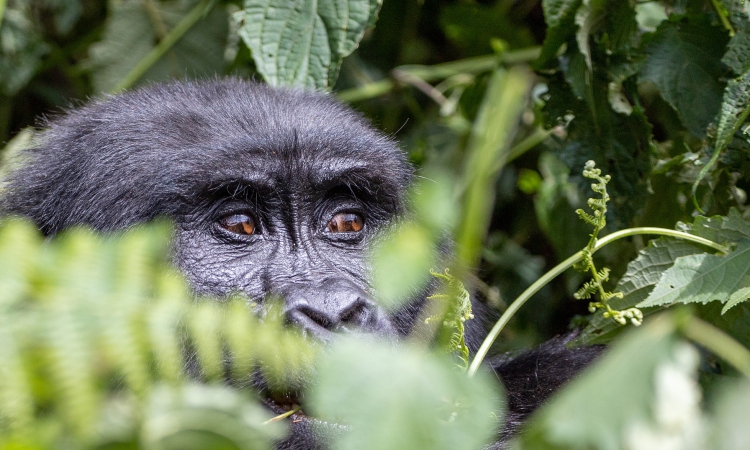

Rwanda gorilla trekking rules and regulations – There are many rules for gorilla trekking, designed to ensure the well-being of both the primates and the tourists who come to see them.
Mountain gorilla tracking is one of the most exciting activities in the world, but you need to be well-prepared and in good physical condition to make it an unforgettable experience.
Mountain gorilla tracking is one of the most exciting activities in the world, but you need to be well-prepared and in good physical condition to make it an unforgettable experience.
For detailed preparation advice, check out these Rwanda Gorilla Trekking Tips.
We strongly suggest that during the activity, you follow the lead of the park rangers and adhere to their instructions at all times.
There are only 1,000 mountain gorillas left in the wild, and tourism is the only effective way to raise funds for their conservation.
These animals are endangered and must be protected from diseases or anything else that could endanger their numbers.
We’ve put together a checklist of things you should know before going on your gorilla trekking trip.
We’ve put together a checklist of things you should know before going on your gorilla trekking trip, including essential details on What to Wear for Gorilla Trekking in Rwanda.
These rules and regulations were created to prevent the spread of disease from humans to gorillas and to keep the gorillas from being unnecessarily alarmed.
Because mountain gorillas have a lower immune system, they are more susceptible to infection from humans.
Even though they’re habituated, gorillas are still wild and don’t fully trust humans.
They’re very protective of their babies and will defend them if they feel threatened.
It’s important to spend a short amount of time with them so they can develop their social skills and bond with their peers.
These guidelines are usually discussed with visitors during a briefing before your gorilla trek.

By following these guidelines, you’re helping to protect the primates.
The guidelines are as follows:
Age Limit and Health Requirements:
- Gorilla trekking permits are issued to individuals aged 15 years and above. This is because children can carry illnesses like the flu, cold, chickenpox, and mumps, which can infect gorillas.
- You must have a yellow fever vaccination to travel to Rwanda. After the briefing and before entering the forest, park authorities will request your passport to verify your identity and ensure you are eligible for gorilla trekking.
Group Size and Physical Fitness:
- A group of gorillas can only be visited by eight people in a day. This limits the risk of disease transmission and reduces the disruption to the group’s behavior.
- Trekking often involves covering long distances, steep terrain, and muddy trails. For the best experience, you need to be physically fit. Older travelers will be allocated to the closest gorilla families and can hire a porter if they wish.
Health Precautions:
- You will not be allowed to follow mountain gorillas if you are infected with a transmissible disease. Rangers have the right to refuse entry if they believe you may pose a risk to the gorillas. If you feel unwell, volunteer to stay behind. You will either be refunded or given another chance once you are medically cleared.
Behavior and Interaction with Gorillas:
- Gorillas can easily acquire human diseases such as diarrhea, smallpox, and cough. If you need to cough or sneeze, turn away from the group and cover your mouth. Keep your hands clean during the trek.
- Listen carefully to the rangers and speak softly to avoid startling the gorillas. Loud voices may scare them, especially if they are just getting used to the environment.
- It is important to keep the park clean. Do not throw away any waste, as gorillas may swallow these items, leading to complications. If you need to use the restroom, inform the guide, who will dig a hole for you.
Interaction Distance and Safety:
- Tourists should keep at least 15 feet away from mountain gorillas to reduce the risk of transmitting human diseases and to avoid making the gorillas too accustomed to humans.
- On rare occasions, if a mountain gorilla charges, crouch slowly and do not run. The rangers will handle the situation. Always remain calm and avoid sudden movements.
- Do not stare directly at the gorillas, as this can be misinterpreted as hostile. Body language is important when interacting with gorillas. The rangers will tell you when it’s safe to start taking pictures. Do not use flash photography.
Personal Conduct:
- Do not try to touch the mountain gorillas, even when they are close to you, as they may misinterpret this as aggression.
- Avoid wearing bright colors, as they may draw the attention of the gorillas.
- Do not wear sunglasses, as their reflection may cause the gorillas to approach you.
Preparation for the Trek:
- Wear good quality hiking shoes suitable for climbing muddy or steep slopes. Bring plenty of water and a packed lunch.
- It is recommended to bring a rain jacket and other gear to protect your skin, as rain is common in the gorilla parks.
- Wear long pants and a shirt to protect against sharp grasses and tree branches.
- Use a good mosquito repellent to keep insects at bay.
In conclusion, there are specific rules and regulations in place for gorilla trekking in Rwanda to ensure the well-being of the gorillas and the safety of the tourists.
These rules include age restrictions, vaccination requirements, limitations on group size, guidelines for behavior around the gorillas, and recommendations for appropriate clothing and equipment.
Following these guidelines helps protect the endangered gorillas and ensures a positive and memorable experience for visitors.