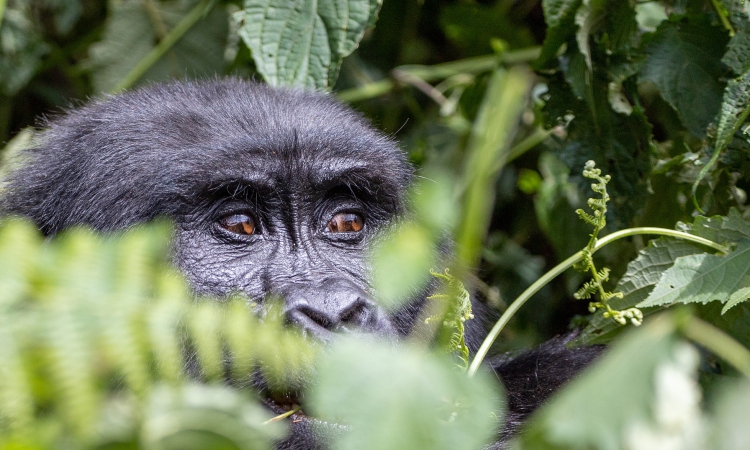

Difference Between Gorilla Habituation and Gorilla Tracking? Gorilla tracking and gorilla habituation are two distinct ways to encounter Africa’s mountain gorillas.
Below is an explanation of how these two activities differ.
Gorilla Trekking

Gorilla trekking is an exciting wildlife experience that involves hiking through lush rainforests in search of mountain gorillas that are habituated to human visitors.
The trek begins with walking through dense forests on steep slopes, crossing rivers and streams, until you come across a gorilla family and spend 1 hour with them.
Gorillas can be found in several national parks in Central and East Africa, including Rwanda, Uganda, and the Democratic Republic of Congo.
The aim of gorilla trekking is to observe gorillas in their natural habitat with minimal human intervention.
Gorilla treks provide an opportunity for exploration and discovery. Participants meet at the park’s headquarters before embarking on guided walks led by experienced rangers.
Treks can last anywhere from a couple of hours to an entire day, depending on where the gorilla groups are located.
As you make your way deeper into the forest, you will be surrounded by the sounds, sights, and smells of nature.
Gorilla Habituation

Gorilla habituation is the gradual process of acclimating a particular group of gorillas to the presence of humans.
Gorilla habituation involves exploring the social life of gorillas.
Only habituated gorillas are available for visitors to see on gorilla trekking tours, while unhabituated gorillas are left to roam freely.
The main goal of habituation is to ensure the safety and comfort of both gorillas and humans.
The gorilla habituation process is carried out by primate specialists, their assistants, and park rangers, and it takes two to three years.
Scientists get to know the gorillas as individuals during this time, studying their behaviors and even naming each one.
At the end of the process, researchers perform a mock exercise to assess how the gorillas respond to the presence of humans, such as journalists and scientists.
If the gorillas pass the test, the group is considered ready for trekking.
The ultimate aim of habituation is to reduce the natural fear gorillas have of humans.
By being around them daily and demonstrating that humans are not a threat, gorillas learn to stay calm and continue with their daily activities.
After a long habituation period, the mountain gorilla group remains wild, living in its natural environment and performing daily tasks.
The difference is that the small group of humans no longer disturbs them.
Trekking Mountain Gorillas for Habituation
The gorilla habituation experience begins at the visitors’ center with a morning briefing.
Visitors then head into the forest with the habituation team, starting much earlier than the gorilla trekking group.
Led by trackers, they hike through the mountains searching for the designated gorilla troop while observing how trackers use their skills to locate them.
In contrast, gorilla trekkers go directly to a troop because the trackers already know the location.
Once the rangers find the gorilla group, they use gestures like gorilla calls and grunts, calmly cut vegetation with machetes, and engage in conservation efforts to let the gorillas know they are present.
It’s important to remember that if your tracked troop is at the beginning of its habituation process, the gorillas may be shy around humans.
This means you won’t get as close to them as you would with a fully habituated group on a regular gorilla trek.
Additionally, the gorilla habituation experience might introduce you to a timid or nervous group, providing a more genuine experience of wild gorillas.
While some visitors may feel disappointed not to get very close to them, others may appreciate the raw, unfiltered encounter.
However, if the gorillas are at the end of the habituation process, you might have a more intimate session with them.
It’s best to temper your expectations, but if you’re lucky enough to encounter a particularly friendly group, consider it a blessing.
In Conclusion
Now that you know the difference between gorilla tracking and gorilla habituation, you can make an informed decision before coming to Africa to see mountain gorillas.
As you make your decision, consider your interests, expectations, and the ethical implications of your choice.
Whether you choose gorilla tracking or gorilla habituation, the memory of meeting these majestic creatures in their natural habitat will stay with you forever.