
In the southwestern part of Uganda lies Kabale District, which hosts Katuna town, where the Katuna border is situated.
The Katuna border marks the boundary between Uganda and Rwanda and serves as an entry and exit point for imports and exports.
The Katuna border is open 24/7 to facilitate the smooth operation of businesses.
Katuna town is located on the Mombasa-Kigali highway, about 500 km from Kampala, and is the last town in Uganda on the way to Rwanda.
Historically, the town was part of Belgian Rwanda and was a major exit point for political refugees who sought refuge in Uganda.
The border town of Katuna is an interesting place because its residents are of mixed nationalities.
The population of Katuna town is made up of people from various nationalities, including Rwandese, Congolese, and Burundian, as well as a small percentage of people from European nations and different tribes within Uganda.

The largest tribe in Katuna is the Bakiga, which comprises three main clans: the Abungura, the Abasigi, and the Abagyesera.
The town’s population is about 1,300 people who live and work in Katuna.
Katuna town is characterized by steep, rocky highlands, making the construction of houses difficult and costly.
The fertile land is primarily used for crop cultivation and dairy cattle farming.
Katuna continues to develop and is becoming one of Uganda’s most important border towns, along with Malaba and Busia on the Uganda-Kenya border.
Like any other border town, Katuna is a hub for businesses, as traders from East Africa pass through this route to connect with Rwanda. It is a popular gateway for travelers from both countries.
A large number of trucks transporting goods from Mombasa, Kenya, to Rwanda use this route, keeping the town busy 24/7 and allowing travelers from Kenya and Rwanda to reach their destinations.
The border town is also home to the “world market,” which connects traders from various countries, including Kenya, Rwanda, Uganda, Tanzania, and the Democratic Republic of Congo, by allowing them to trade in various items.
Currency exchange is available in Katuna through money changers who exchange Rwandan Francs, Ugandan Shillings, and U.S. Dollars.
Katuna town has contributed to Uganda’s tourism sector, as its terraced hills offer visitors stunning views of food crops and forest cover.
Tourists often stay in the town as they prepare to visit Lake Bunyonyi, which is located 20 km northwest of Katuna. To get to the lake, tourists must take the marram road through Kakoma to Rubaya.
The many highlands in Katuna are ideal for hiking and camping. While in town, travelers can also visit Mount Muhavura, a dormant volcano located near the border.
Mgahinga is another popular destination, as it is part of Mgahinga Gorilla National Park.
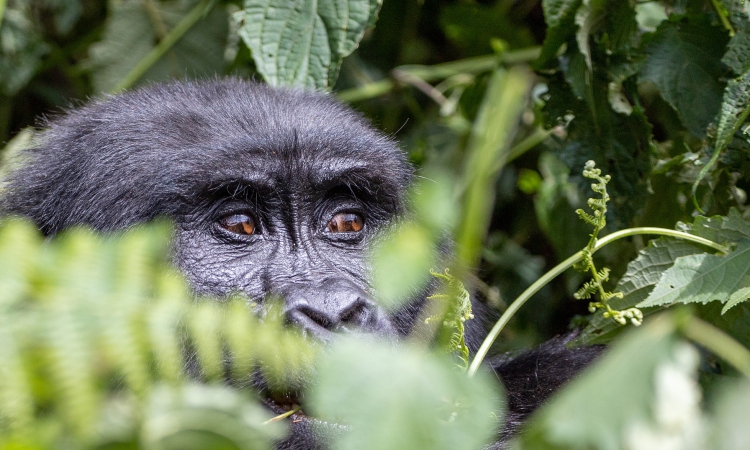
Travelers can also stop by on their way to Bwindi Impenetrable Forest National Park for gorilla trekking.
Travelers using the Katuna border to enter Rwanda do not require a visa but will need documents such as a tourist visa or a national identification card.
Immigration officers will request your address, contact information, and details of the business you will be conducting in Rwanda.
Once the necessary paperwork is completed, you will receive a stamp that allows you to proceed on your journey to Rwanda.
Several accommodations are available in and near Katuna town, including Katuna Inn, where travelers can relax and enjoy refreshments.
Other places to stay near Katuna include Hawk’s Eye Lodge Bunyonyi, which offers water sports facilities, hiking, and camping, as well as a restaurant and business center.
Another nearby accommodation is Supreme Adventure Park Bunyonyi, located in Kabale, 12 km from the market.
This accommodation offers a 24-hour front desk, water facilities, valet service, non-smoking rooms, and luggage storage.
Additional accommodations near Katuna include Paradise Eco Hub, Lakeside View Hotel, Heras Country Hotel, White Horse Inn, Jowillis Hotel, Albertine Tourism Resort, Seeds of Hope, Itambira Island, and Kigenzi Gardens Inn.
In Conclusion, The Katuna border not only marks the boundary between Uganda and Rwanda but also serves as a vital hub for importing and exporting goods to Rwanda.
The border has contributed to the growth of Katuna town and has fostered intermarriages between people of different nationalities from Uganda, Kenya, Rwanda, and Tanzania, making the town a culturally vibrant and interesting place.