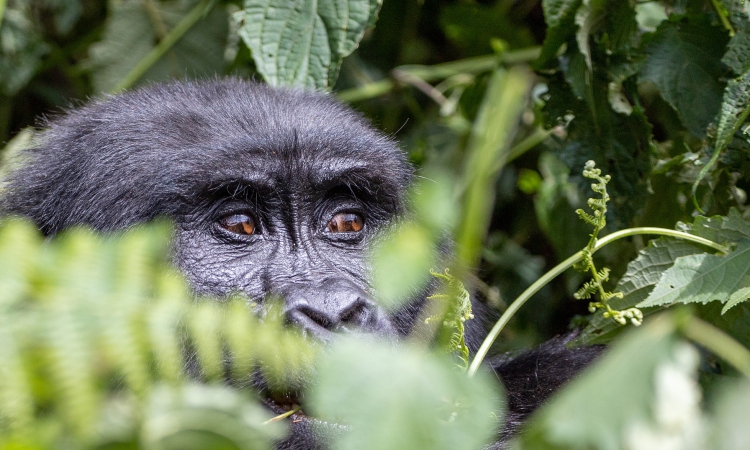

Why Were Gorillas Going Extinct – Mountain gorillas are considered one of the closest human cousins because they share 98% of their DNA with humans.
They are found in East and Central Africa in the countries of the Democratic Republic of Congo, Uganda, and Rwanda.
These great apes have suffered reductions in their numbers since the 19th century, but conservation efforts have tried to protect them, though they are still endangered.
There are about 500 mountain gorillas in Volcanoes National Park, Rwanda, 459 mountain gorillas in Bwindi Impenetrable National Park, Uganda, and 350 mountain gorillas in Virunga National Park, Democratic Republic of Congo.

Top Reasons why Mountain Gorillas were going extinct
Below are the major reasons why mountain gorillas were going extinct:
- Disease Outbreak: Mountain gorillas are prone to diseases, which can lead to their death. Diseases like Ebola greatly affected their populations in 2002 in Congo.
- Poaching: Many poachers hunt mountain gorillas for bushmeat, selling the meat to earn a living. Additionally, some gorillas fall into traps meant for other animals.
- Habitat Loss: Gorillas were going extinct because their natural habitats were destroyed by various factors such as wildfires, human settlement, agriculture, and tree felling, making it hard for gorillas to survive.
- Animal Trading: Many poachers hunt gorillas to sell them abroad to people who use them as pets.
- Human-Gorilla Conflict: As humans encroach on gorilla habitats, conflicts arise when gorillas enter agricultural areas or damage crops.
- Mining and Drilling: Extractive industries like oil, gas, and mining threaten gorilla habitats and disrupt their behavior.
- Civil Unrest and War: Political instability and violence in gorilla-range countries have led to increased poaching and habitat destruction.
- Climate Change: Climate change alters the availability of food resources, making it harder for gorillas to adapt and survive.
- Low Birth Rates: Gorillas have a slow reproductive rate, making it difficult for populations to recover from threats.
- Habitat Fragmentation: Gorilla habitats are often isolated and fragmented, making it hard for them to find food, shelter, and potential mates.
- Lack of Effective Conservation Efforts: In some areas, conservation efforts are inadequate or underfunded, allowing threats to gorilla populations to persist.
By and large, mountain gorillas are thriving thanks to conservation efforts, but continued support is crucial.
Trekking to see these magnificent creatures in their natural habitat not only provides an unforgettable experience but also contributes to their protection.